




Knee Pain
Chiropractor for Knee Pain in Singapore
Knee pain is a common complaint affecting people of all ages and activity levels. It can result from a variety of factors, and symptoms can range from mild discomfort to severe pain that hinders daily activities. Fortunately, chiropractic care may help address these issues and promote healing in the affected area.
Symptoms of Knee Pain
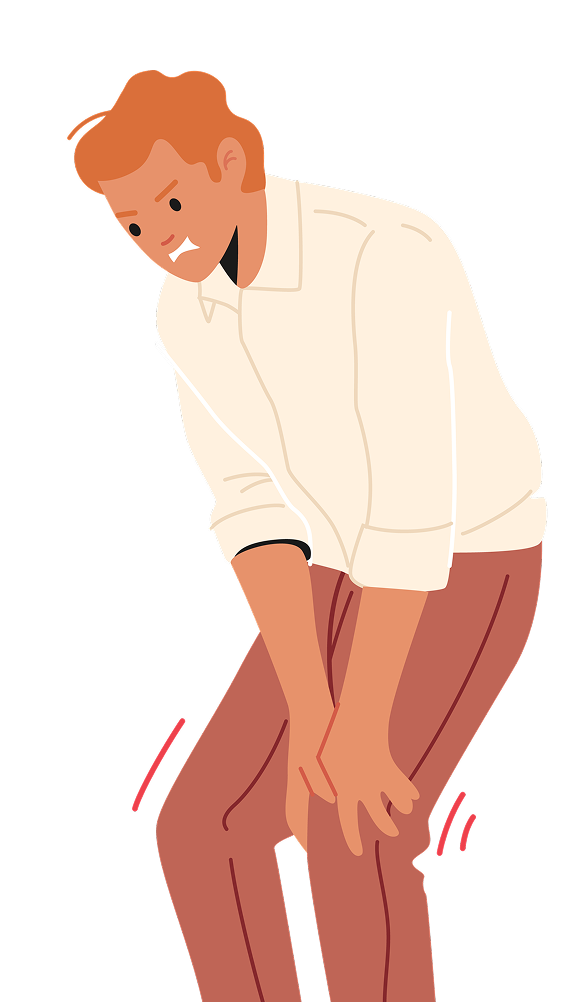
Understanding the symptoms of knee pain is crucial for identifying its underlying causes and seeking timely aid. Symptoms can vary widely, so recognising them early may help prevent further damage and potentially improve the outcome of any treatment. Below are key symptoms associated with knee pain:- Swelling and Stiffness: Noticeable swelling around the knee joint, accompanied by a stiff feeling that can limit the range of motion.
- Redness and Warmth: The skin around the knee may appear redder and feel warmer than surrounding areas, indicating inflammation.
- Weakness or Instability: A sensation that the knee might give out during weight-bearing activities.
- Popping or Crunching Noises: Audible sounds when moving the knee, which might indicate damage to the cartilage or the presence of knee osteoarthritis.
- Inability to Fully Straighten the Knee: Difficulty or discomfort experienced when attempting to extend the leg fully.
- Pain When Bearing Weight: Discomfort or pain that increases when standing, walking, or during any activity that puts pressure on the knee.
- Pain that Worsens with Specific Activities: Increased discomfort during actions such as climbing stairs, kneeling, or after sitting for extended periods.
- Visible Deformity: Any noticeable change in the knee’s appearance could indicate a serious condition like a dislocation or fracture.
Each symptom may vary in intensity and can provide insights into the underlying causes of knee pain. Thus, consulting a healthcare professional or chiropractor for an accurate diagnosis and appropriate management plan is important.
What Causes Knee Pain?

Sports Injuries
Knee pain from sports-related injuries is commonly seen by chiropractors for sports injuries. These injuries include ligament tears, meniscus tears, and patellar dislocations, often caused by sudden twists, falls, or direct impacts. Additionally, poor technique or improper form during sports can exacerbate these injuries and increase the risk of long-term knee problems.Spinal and Pelvic Misalignments
Improper alignment of the spine and pelvis may lead to imbalances in the muscles and joints of the legs and knees, causing pain and discomfort. This is due to the knee joint’s connection to the pelvis and spine through a complex network of muscles, ligaments, and tendons; any imbalance in these structures can affect the knee joint’s function.Overwork
Overuse injuries from repetitive movements or activities such as running or jumping can strain the knee joint, leading to pain. This is because constant stress on the knee joint can wear down the cartilage, irritate the tendons, and cause inflammation in the surrounding tissues. This type of knee pain often develops gradually and worsens over time with continued activity.Arthritis
Osteoarthritis, a degenerative joint disease, is another common cause of knee pain. It affects the cartilage that cushions the knee joint, causing pain, stiffness, and reduced range of motion. Lifestyle factors such as obesity and sedentary habits may also contribute to the severity and progression of osteoarthritis, leading to increased knee pain and disability.Poor Posture
Maintaining poor posture for extended periods can put additional stress on the knee joints. For example, slouching or standing with your knees locked can misalign the body and strain the muscles and ligaments surrounding the knee. Over time, this may lead to pain and increased wear and tear on the joint. For this condition, correcting posture through postural assessments, strengthening exercises, and ergonomic adjustments may help address knee pain and prevent further damage.
How Chiropractic Care for Knee Pain May Help
Read More

Our Approach to Knee Pain Therapy
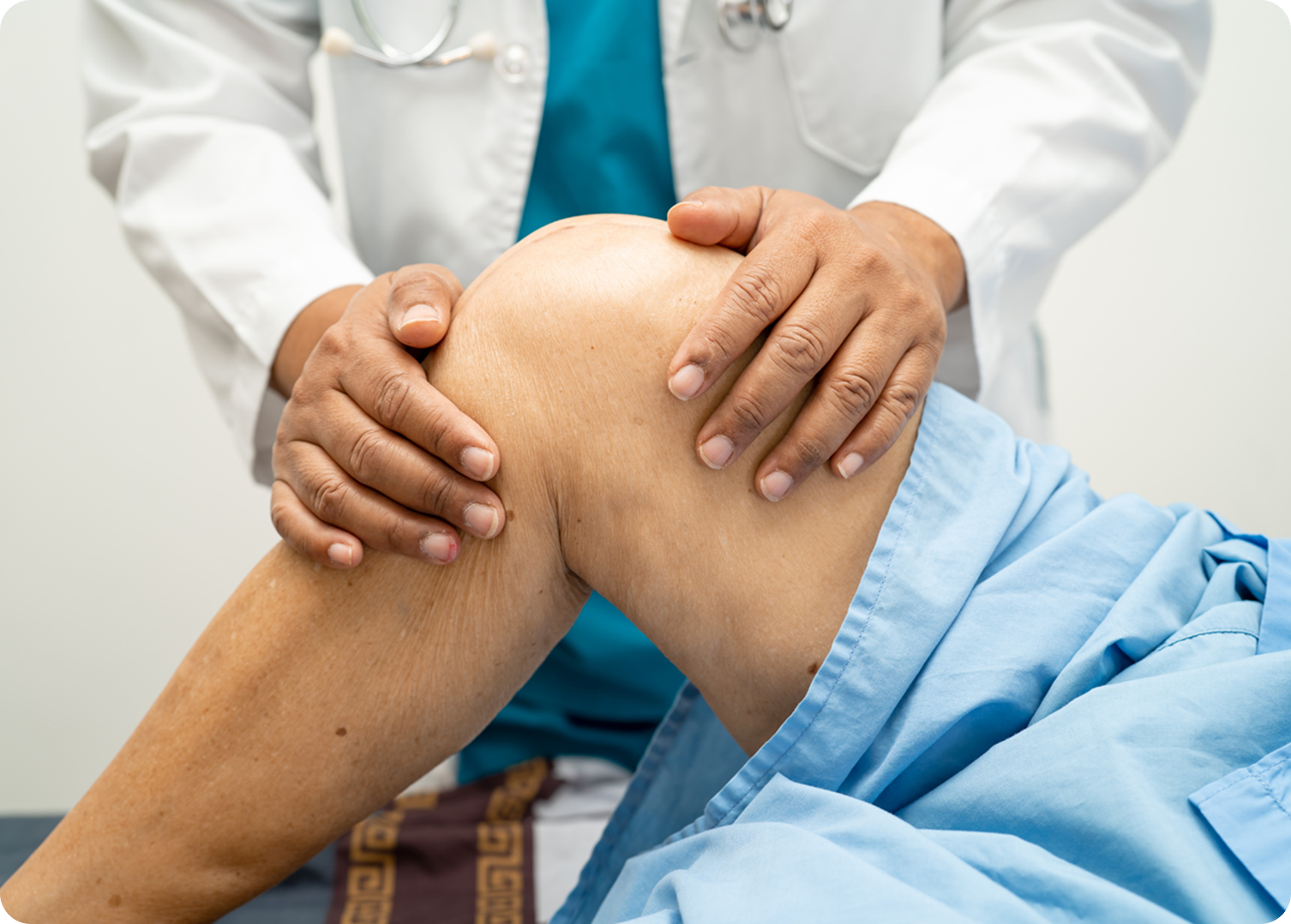
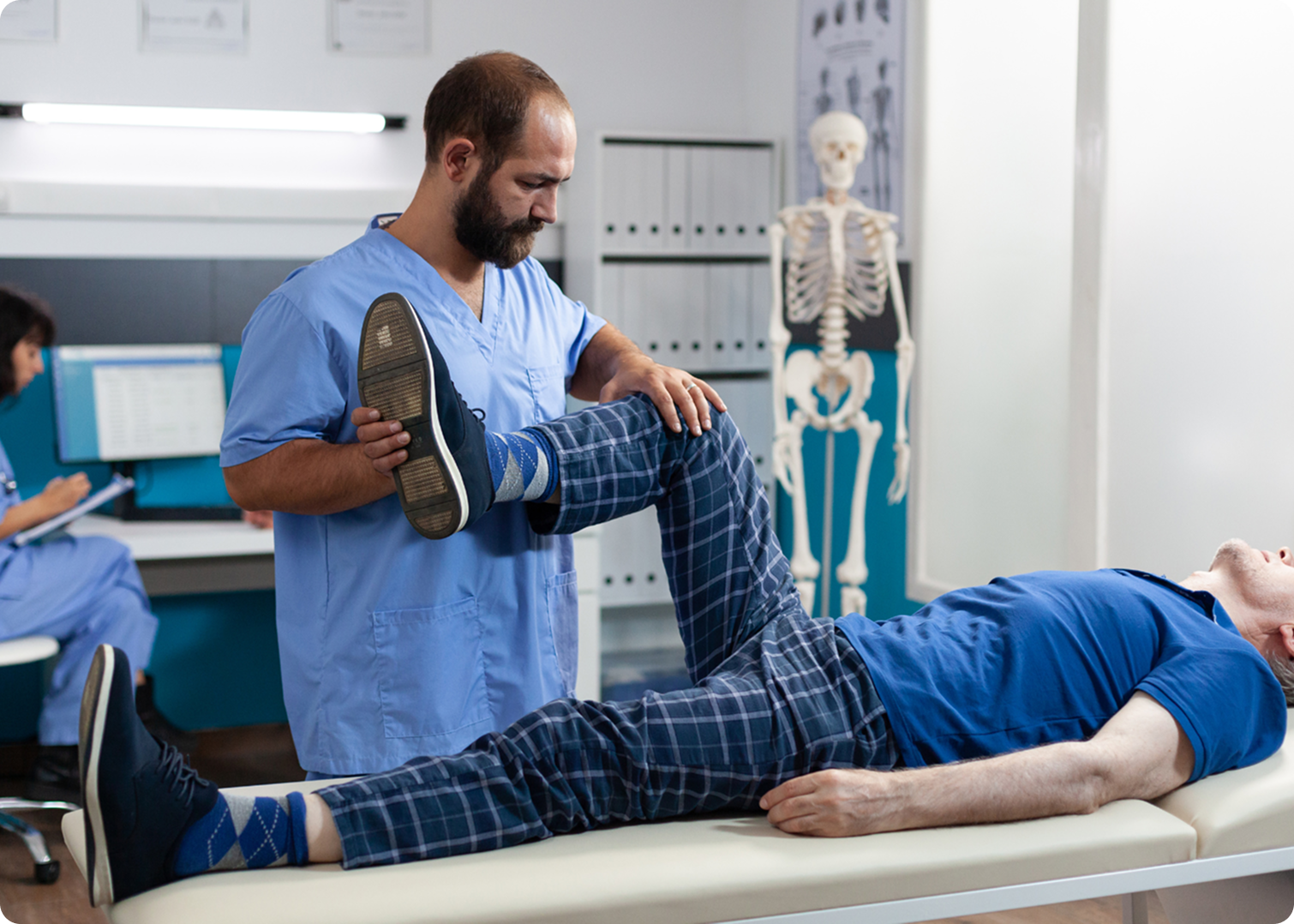
Comprehensive approaches to knee pain therapy often focus on identifying the underlying causes of pain to support long-term healing and wellness. Many chiropractors, including those at True Chiropractic, prioritise patient-centred care, designing therapy approaches based on individual needs and preferences. Furthermore, rather than relying on medications to manage pain or symptoms, some prefer non-invasive methods that align with the body’s natural healing processes, aiming to aid recovery and wellness for patients seeking either “corrective care” or “maintenance care”.
Core therapy modules for knee pain frequently include chiropractic care, spinal decompression therapy, and rehabilitative exercises, sometimes supplemented by orthotic fixtures. Additionally, a range of customised supporting services may be offered, incorporating various manual and high-tech therapies to meet specific needs. These can include functional rehabilitative therapy, dry needling, shockwave therapy, ultrasound therapy, and super inductive system therapy. Wellness and nutrition coaching is another aspect that some chiropractors provide, assisting patients in maintaining overall health and activity levels.
 Why Choose True Chiropractic
for Your Knee Pain?
for Your Knee Pain?
 Manage Your Knee and Ankle Pain Today


Testimonials
Testimonials

Frequently Asked
Questions About Knee Pain

Chiropractic care may assist with knee pain by focusing on both potential symptom relief and addressing the underlying causes. To potentially achieve long-term healing, techniques such as spinal adjustments, soft tissue therapy, and relevant exercises are used to potentially reduce inflammation, enhance joint mobility, and improve knee function.
Misalignments in the spine and pelvis may lead to imbalances throughout the body, affecting the legs and, subsequently, the knees. These imbalances may result in uneven weight distribution and stress on the knee joints, leading to pain. Addressing these misalignments through chiropractic care may support proper balance and reducing knee pain.
To manage knee pain, chiropractors may use various techniques, including spinal adjustments for correcting misalignments, soft tissue therapy for muscle tension relief, and rehabilitative exercises for strengthening the muscles around the knee. Additional modalities, such as ultrasound therapy or dry needling, might also be incorporated into a comprehensive care plan.
Yes, chiropractic care may address the root cause of knee pain. By focusing on the entire musculoskeletal system rather than just the symptoms, chiropractors work to identify and address imbalances, misalignments, and dysfunctions, aiming to address the source of pain and prevent its recurrence.
Chiropractic exercises for knee pain focus on improving flexibility, strength, and range of motion in the knee joint. Some common exercises include hamstring stretches, quadriceps stretches, calf stretches, straight leg raises, and wall slides.
Additionally, your chiropractor may recommend proprioceptive exercises to improve balance and coordination, as well as low-impact aerobic exercises like swimming or cycling to promote cardiovascular health without stressing the knee joint. These exercises, tailored to your specific needs, may help manage pain, promote healthy joint function, and potentially prevent future injuries.
Both chiropractors and physiotherapists may effectively manage knee pain, but their approaches differ slightly. Chiropractors focus on spinal alignment and its impact on joint function, utilising techniques like adjustments and manipulations to potentially restore balance and reduce stress on the knee. Physiotherapists, on the other hand, emphasise exercise and rehabilitation to strengthen muscles, improve flexibility, and potentially restore normal movement patterns.
The choice ultimately depends on the underlying cause of your knee pain and your individual preferences. If your knee pain is related to spinal misalignment, chiropractic care may be beneficial. If you prefer a more exercise-focused approach, physiotherapy might be a better option. Consulting with both professionals can help you determine the most suitable treatment plan for your specific needs.

Our Locations
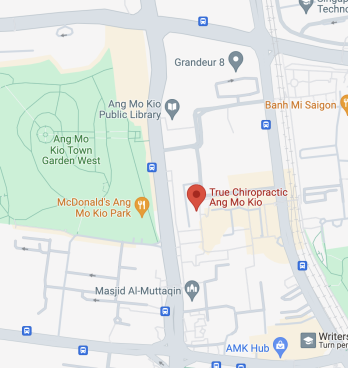
Ang Mo Kio (Town Centre)Test
Blk 727, #01-4268
Ang Mo Kio Ave 6
Singapore 560720

 How to get here?
Bukit Timah (Guthrie House)
1 Fifth Avenue, #04-07
Guthrie House Singapore
Singapore 268802
How to get here?
Orchard (Paragon)
290 Orchard Road, #06-11
Paragon
Singapore 238859
How to get here?
Marine Parade (Parkway)
1 Marine Parade Central #03-04
Parkway Centre
Singapore 449408
How to get here?
Tanjong Pagar (AIBI)
#01-02, Aibi MaxWell,
30 Maxwell Rd
Singapore 069114
How to get here?
SPINEHEALTH Center Of Care
1 Fifth Avenue, #04-07
Guthrie House Singapore
Singapore 268802
How to get here?
Sports Performance Excellence Clinic(Guthrie House)
1 Fifth Avenue, #04-07
Guthrie House Singapore
Singapore 268802
How to get here?
QA TEST NEW LOCATION
Ang Mo Kio (Town Centre) Home display Home display Home display Home display Home display Home display
Ang Mo Kio (Town Centre) Home display Home display Home display Home display Home display Home display
Singapore 412001
How to get here?

Our Locations

Get in touch
Feel free to contact us through any of the following channels to schedule an appointment or enquire about our services and will be get back to you within 3 working days.

Enquiry@truechiropractic.com.sg

Call us
6747 6165

WhatsApp us
8180 8960

×
Opening Hours
Bus Service